Skip to content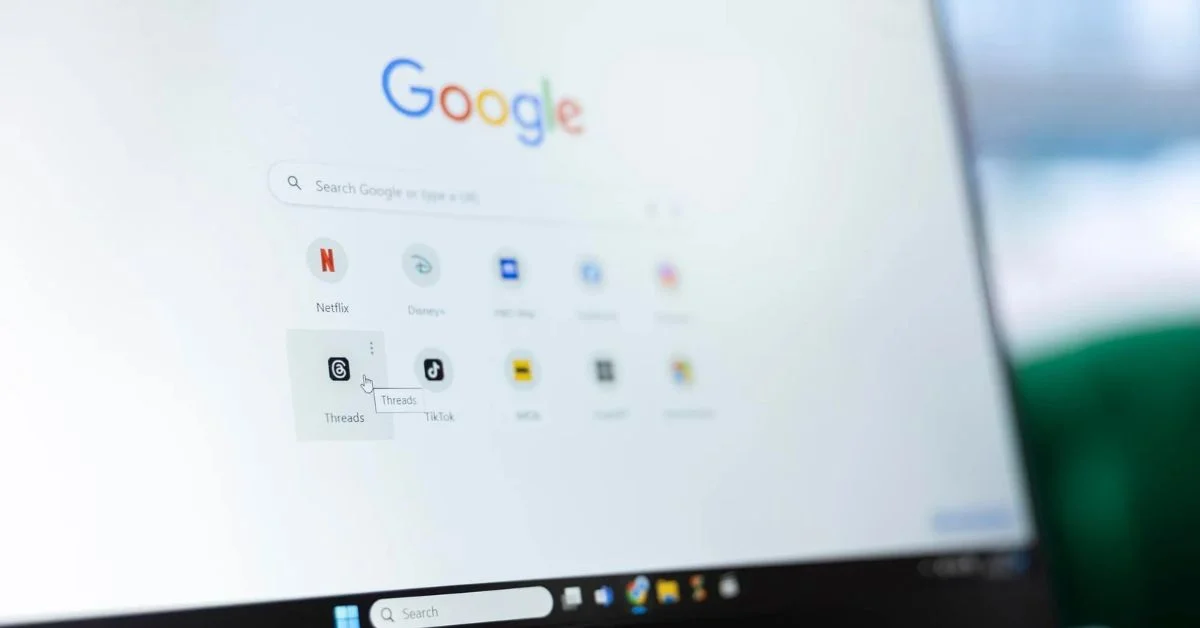
Google Search changed significantly in 2026. AI Mode expanded, AI Overviews reached more users, and Search Console introduced dedicated reporting for traffic and visibility from generative AI experiences.
For publishers, the important lesson is not that traditional SEO has stopped working. Google continues to recommend the same foundations that have always mattered: useful original content, crawlable pages, clear site structure, accurate information and a strong page experience.
What has changed is how users can discover and consume that information. A search journey may now include a generated answer, follow-up questions, links to supporting websites and a deeper conversational path before a click happens.
What Changed in Google AI Search in 2026
Google said at Search I/O 2026 that AI Mode had passed one billion monthly users and that queries in AI Mode were growing quickly. The company has also continued expanding AI Overviews across Search.
The more important update for website owners arrived in Search Console. Google introduced Generative AI performance reports so publishers can see how their sites appear in AI-powered Search experiences instead of trying to infer everything from standard web-search clicks.
Google’s Search Console announcement explains the new reporting.
This matters because AI visibility and standard blue-link performance are not identical. A page can help support an AI answer, receive impressions and still generate a different click pattern from a traditional search result.
AI Search Does Not Create a Separate SEO Rulebook
One of the easiest mistakes in 2026 is to treat AI Search as a completely new optimization discipline.
Google’s own guidance says publishers do not need special technical tricks to appear in AI Overviews or AI Mode. The fundamentals still apply. Pages need to be indexable, useful, understandable and eligible to appear in Search.
Google also continues to emphasize original, non-commodity content. That is especially important for publishers because pages that simply repeat information already available across dozens of sites give a search system little reason to select them as a useful source.
Google Search Central’s 2026 guidance reinforces this point.
What AI Search Means for Website Traffic
There is no honest universal percentage for how much AI Search will increase or decrease traffic. The effect depends on query type, ranking position, brand strength, whether the user needs to visit a website and how prominently Google surfaces links.
Simple fact queries can often be satisfied with less clicking. More complex searches can create new discovery paths because users ask follow-up questions and explore sources they may not have found through one traditional query.
That means publishers should stop judging AI Search only by one metric such as total clicks. A better view includes:
- search impressions
- clicks and click-through rate
- queries gaining or losing visibility
- Generative AI impressions and clicks in Search Console
- landing pages appearing in AI experiences
- brand searches after discovery
- engagement and conversions from search visitors
If traffic falls, investigate the exact pages and queries rather than assuming AI is the cause.
Use Search Console to Separate AI Visibility From Guesswork
The new generative AI reporting makes diagnosis more useful.
Start by comparing the same date ranges across standard Search and the Generative AI report. Look for pages that have strong AI impressions but few clicks, pages that gained AI visibility while standard clicks fell, and topics where both types of visibility are weakening.
Then inspect query intent. A page answering a very short informational question may naturally receive fewer clicks than a comparison, tool, original dataset or detailed guide that cannot be fully summarized in a few lines.
This is why information gain matters more now. If the entire value of a page can be compressed into one sentence, the page is vulnerable regardless of whether AI Search exists.
Eight Content Improvements That Matter More in 2026
- Answer the real question early. Do not force readers through a long generic introduction before giving them useful information.
- Add something original. Use analysis, a framework, a comparison, a useful table, first-party data when available, or a clearer synthesis of primary sources.
- Use specific sourcing. Important claims should point to the original announcement, study, regulator or documentation.
- Keep information current. Update product names, prices, dates, statistics and policy references when they materially change.
- Make sections self-contained. A good H2 section should answer its own question clearly enough to be useful when read alone.
- Reduce repetitive SEO language. Use a focus keyphrase naturally, then write for readers rather than repeating exact-match phrases.
- Strengthen internal links. Connect related articles so readers and crawlers can understand the topic cluster.
- Remove low-value material. Delete filler, duplicated sentences, unsupported anecdotes and paragraphs that exist only to increase word count.
These are not AI-specific tricks. They are signs of a better publication.
What Not to Do for AI Search
Do not create dozens of thin pages targeting slight variations of the same question. Do not add fake expert quotes or fabricated first-hand stories to manufacture experience. Do not publish unverified statistics because they sound authoritative.
Also avoid writing every paragraph as if it were a featured-snippet answer. Clear direct sections are useful, but an article still needs depth, context and natural flow.
There is also little value in creating separate copies of the same article for “SEO,” “AEO” and “GEO.” If they satisfy the same intent, one stronger page is usually better.
How to Diagnose a Traffic Drop After a Google AI Update
Use a page-by-page process:
- Compare clicks, impressions, CTR and average position before and after the decline.
- Identify whether the loss is concentrated on a few URLs or sitewide.
- Check which queries lost clicks and whether their rankings also changed.
- Review Generative AI performance for the same pages.
- Check indexing, canonicalization and crawl status before blaming content.
- Inspect the live search results to see whether the result layout changed.
- Compare the page with current competing results for freshness, originality and intent satisfaction.
- Update the page only where evidence shows a real weakness.
A position drop points to a different problem from stable rankings with lower CTR. Treating both situations as “AI stole the clicks” can lead to the wrong fix.
What Strong Publisher Content Looks Like Now
A strong technology article in 2026 should be useful even if the reader already saw an AI-generated summary.
The page should offer something worth clicking for: deeper evidence, a practical framework, a verified comparison, screenshots, original analysis, a complete checklist or context that cannot fit comfortably inside a short generated answer.
For example, a basic article saying “AI Search is changing SEO” adds little value. A guide that shows publishers how to compare standard Search and Generative AI reports, diagnose query-level losses and decide whether to update a page gives the reader a reason to stay.
For a wider view of AI’s effect on enterprise technology, see our AI breakthroughs analysis.
Final Takeaway
Google’s AI Search updates are changing discovery, but they do not remove the need for strong websites. Google still needs useful sources to understand topics, support answers and give users somewhere to continue their research.
Publishers should focus less on finding a new AI optimization trick and more on becoming a source worth citing and visiting. That means original value, accurate sourcing, clear expertise, strong internal structure and content that goes beyond what a generated summary can provide.
Author
Talha Qureshi is the founder and technology writer behind ITechTrove. He covers enterprise AI, cybersecurity, cloud infrastructure, B2B SaaS and emerging technology, focusing on practical guides, analysis and source-based reporting.